 Approved by the US FDA
Restore Your Hair Density with

Contains Minoxidil, the only active ingredient clinically proven and approved by the US FDA to treat hereditary hair loss.
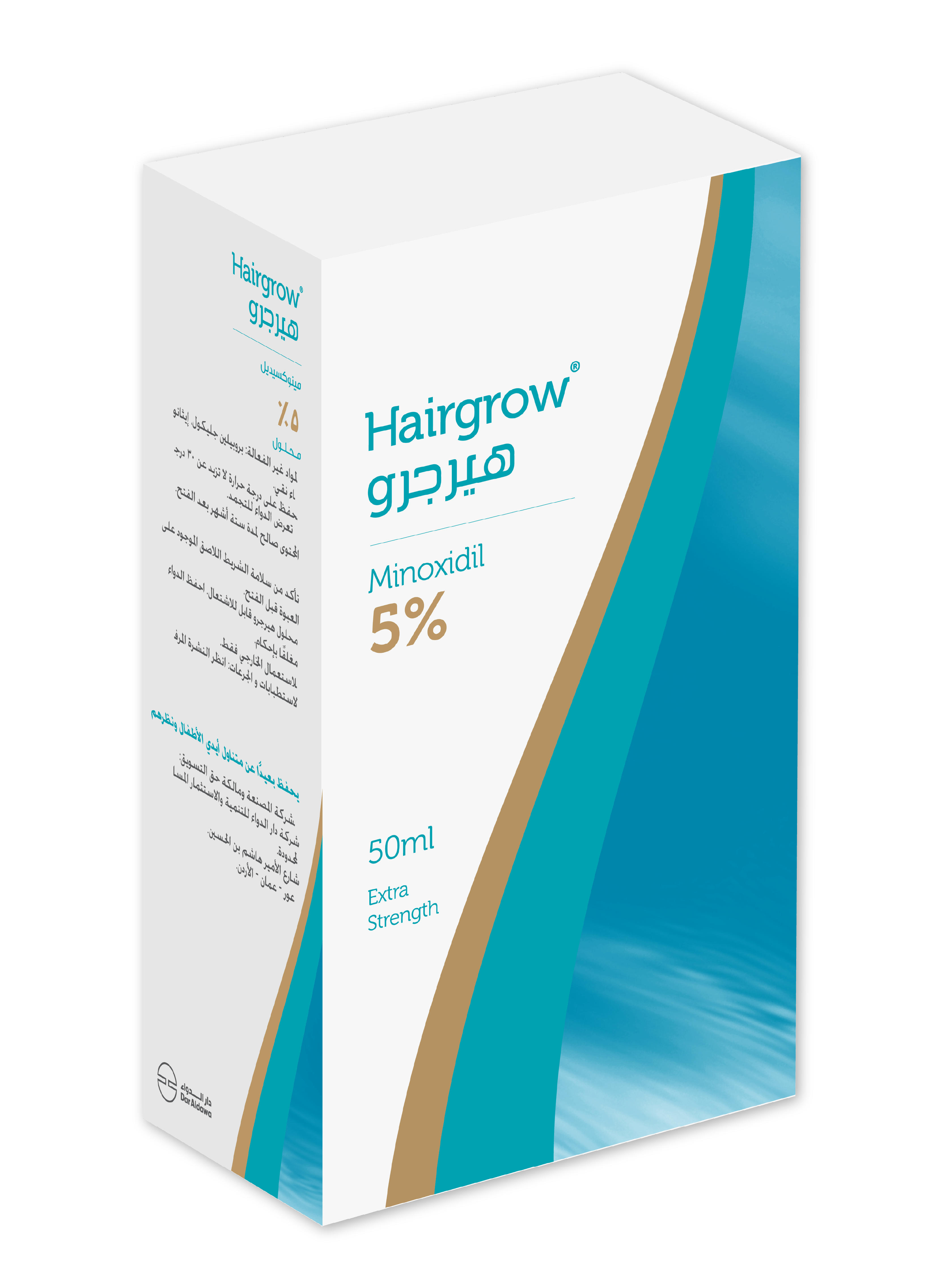
 5%
5%
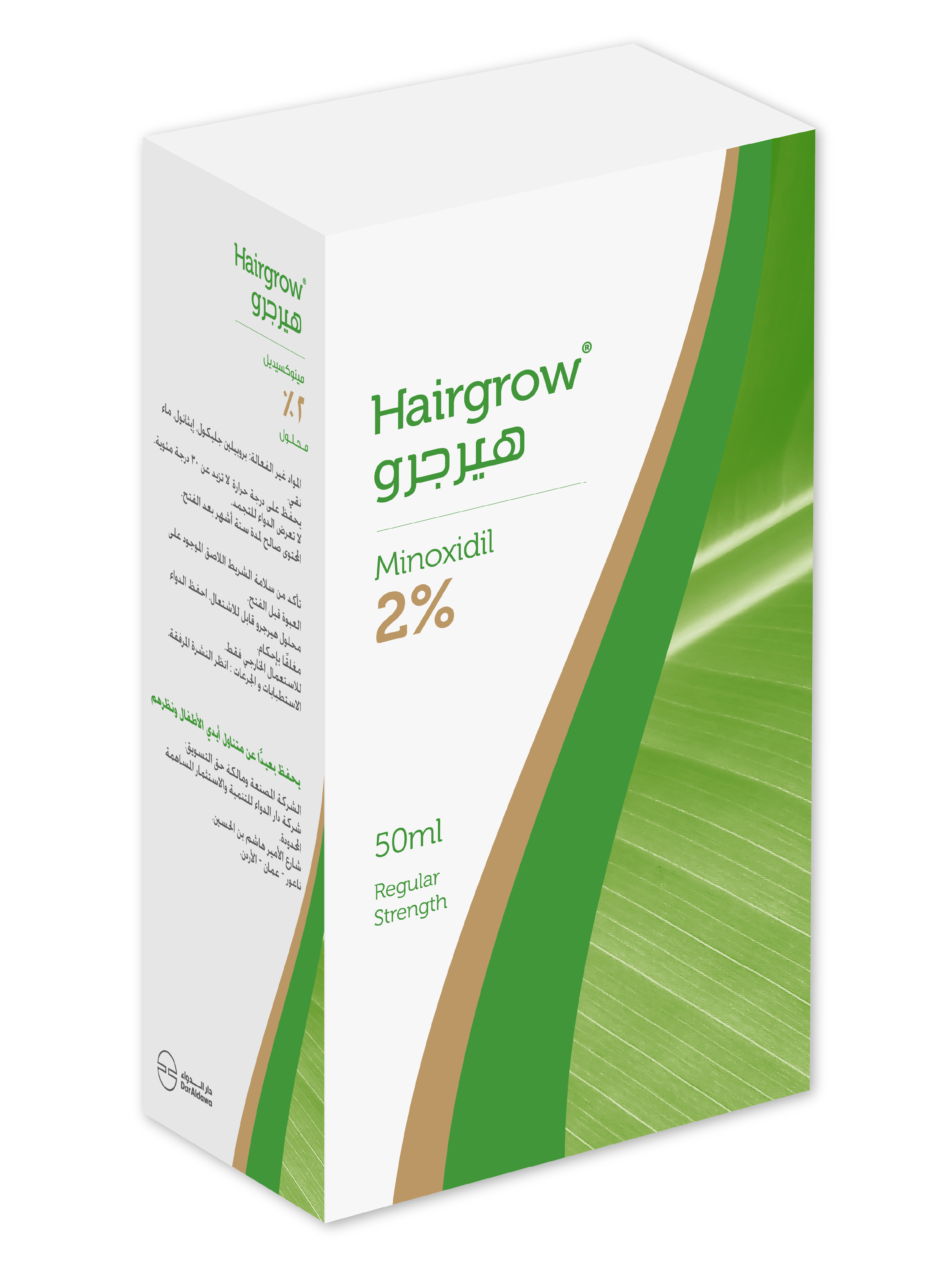
 2%
2%
How Does Hairgrow Work?
Hairgrow promotes hair regrowth by stimulating resting hair follicles to enter the growth phase and boosting local blood circulation.
Increased Blood Flow
When applied directly to the scalp, Minoxidil dilates blood vessels, increasing the flow of nutrient-rich blood to the follicles.
Promote Follicle Growth
The medication stimulates and rebuilds weakened hair follicles, transitioning them from the resting phase (Telogen) to the growth phase (Anagen).
Proven Efficacy
The only active ingredient approved by the US Food and Drug Administration (FDA) as a topical treatment for hereditary hair loss.
Choose the Right Strength for You
Hairgrow 5%
Minoxidil 5%
Extra strength for advanced hair loss and baldness. Typically recommended for men for faster and thicker results.
- 50 ml Topical Solution
- For external use only
- Use twice daily
Important Information
-
Inactive ingredients: Propylene glycol, ethanol, purified water.
-
Store at a temperature not exceeding 30°C and do not freeze.
-
Content is valid for six months after opening. Ensure the seal is intact before opening.
-
Hairgrow solution is flammable. Keep tightly closed and away from fire sources.

Understanding Hair Loss & Baldness
Alopecia is the medical term for any type of hair loss. There are many types, the most common being hereditary baldness, which affects both men and women in varying degrees and patterns.
Causes of Hair Loss
Family History (Heredity)
The most common cause is a hereditary condition that happens with aging. It typically occurs in predictable patterns — a receding hairline in men and thinning hair along the crown of the scalp in women.
Hormonal Changes & Medical Conditions
Due to pregnancy, childbirth, menopause, thyroid problems, or alopecia areata and scalp infections.
Medications & Severe Stress
It can be a side effect of certain drugs. Many people also experience general hair thinning after a physical or emotional shock.
Hairstyles & Treatments
Excessive hairstyling that pulls hair tight (traction alopecia) or using hot-oil treatments and permanents can cause permanent damage and hair loss.
Signs & Symptoms of Hair Loss
Gradual thinning on top of head
The most common type as people age. Men often see a receding hairline, while women typically experience a broadening of the part in their hair.
Circular or patchy bald spots
Some lose hair in circular or patchy bald spots on the scalp, beard, or eyebrows. Your skin may become itchy or painful before the hair falls out.
Sudden loosening of hair
Usually triggered by a shock. Handfuls of hair may come out when combing or washing. This typically causes overall thinning but is mostly temporary.
Patches of scaling
A sign of ringworm. It may be accompanied by broken hair, redness, swelling, and sometimes oozing.
Proper Directions for Use
For topical and external use only. Follow these steps in order for best results.
Adult Daily Dosage: 1 ml (6 sprays) twice daily
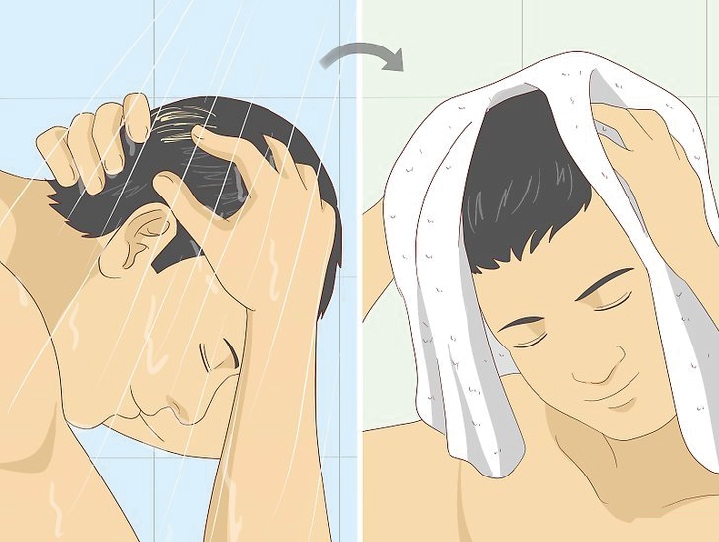
Wash & Dry
Wash your hair and scalp thoroughly and ensure they are completely dry before use.
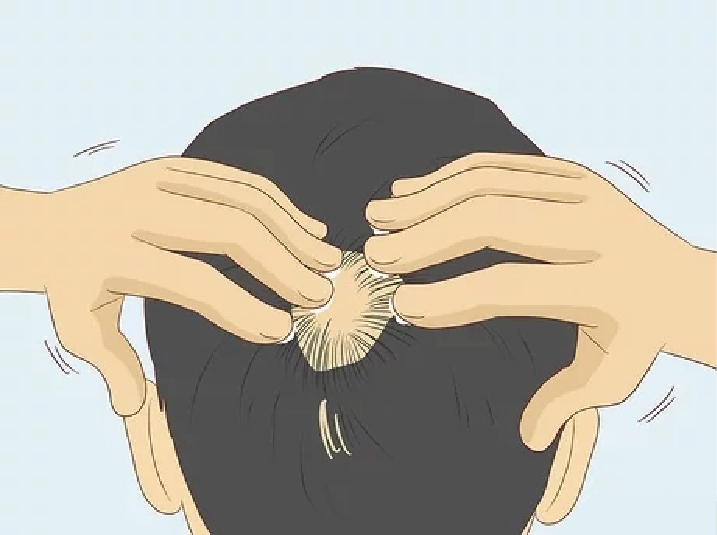
Apply Solution
Apply 1 ml (equivalent to 6 sprays) of Minoxidil evenly over the affected area.
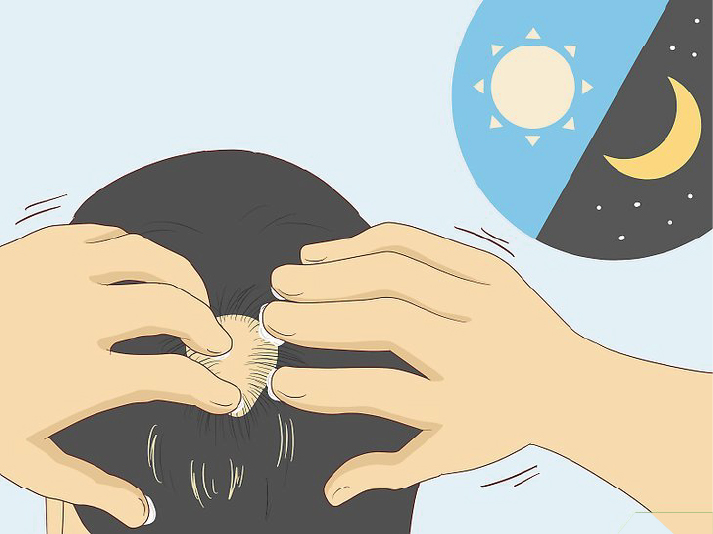
Massage Gently
Gently massage the solution into your scalp with your fingertips.
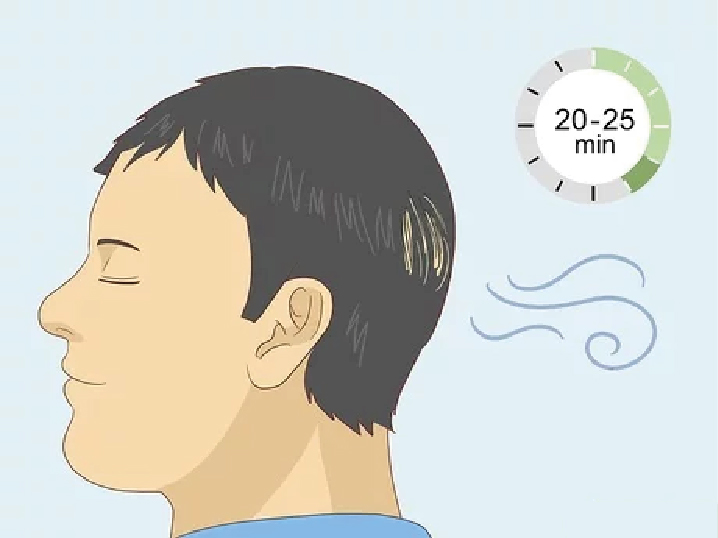
Let it Dry
Leave at least 12 hours between each application and do not exceed the dosage (2 ml/day).
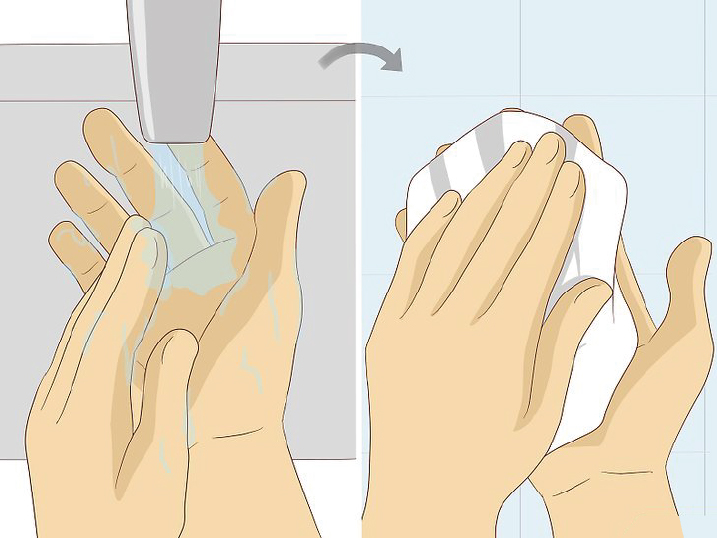
Rinse Hands
Rinse your hands with cold water and dry them well after massaging.

Prevention & Care Tips
Hereditary baldness cannot be prevented, but these tips help avoid other types of hair loss and keep your hair healthy.
-
Be Gentle with Your Hair
Avoid pulling hair when brushing (especially when wet). Use a wide-tooth comb and avoid harsh treatments (hot rollers, curling irons, chemical straighteners).
-
Review Your Medications
Ask your doctor about medications and supplements you take that might cause hair loss as a side effect.
-
Protect from Sun
Protect your hair and scalp from direct sunlight and other sources of ultraviolet light.